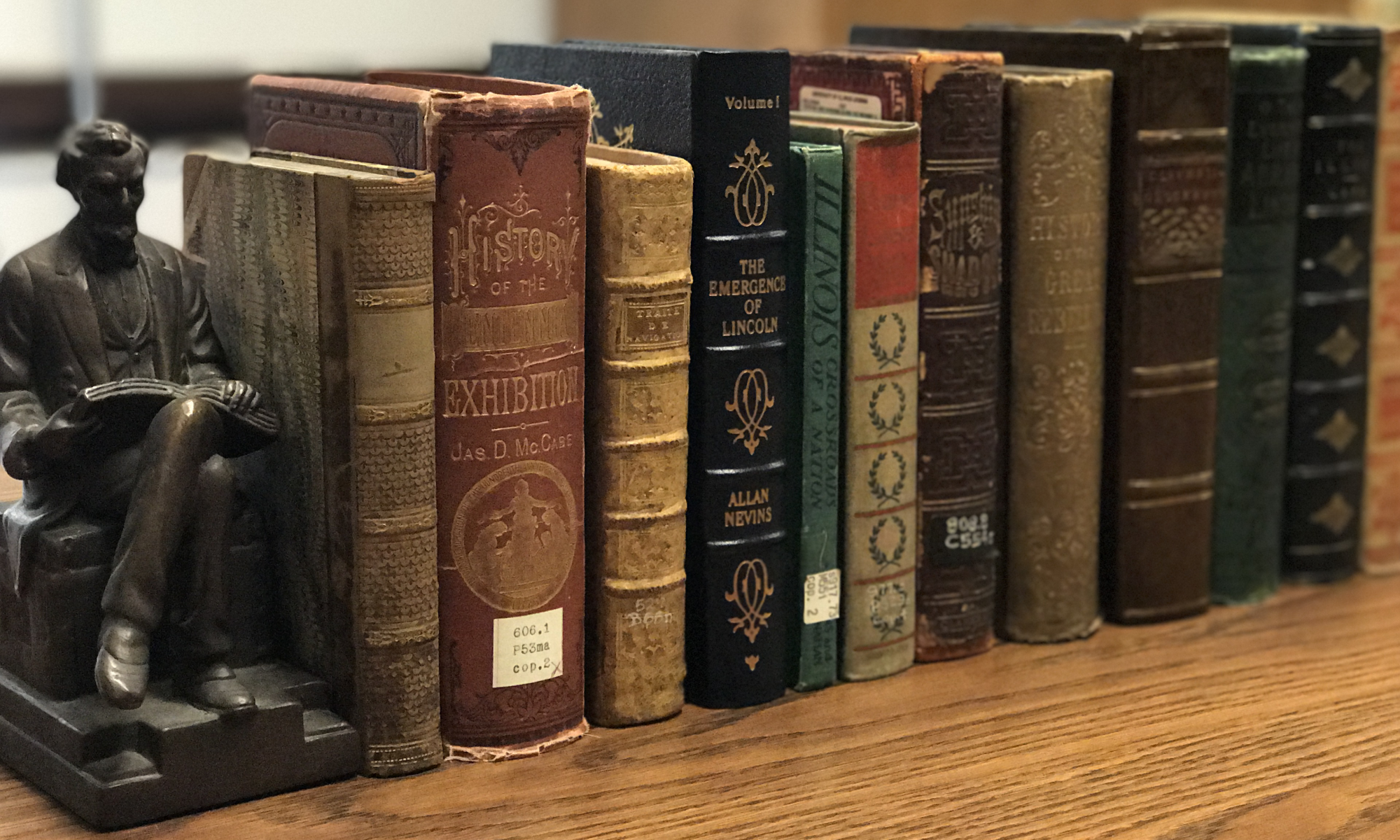

It’s been approximately one year since the Illinois History and Lincoln Collections (IHLC) unit of the University of Illinois Library began collecting evidence of Illinoisans’ experiences during the COVID-19 pandemic. Like many libraries, archives, museums, and special collections across the country and around the world, the IHLC invited Illinoisans throughout the state to share a variety of materials. These contributions could take many forms, such as emails, typed or handwritten journal or diary entries, photographs, screenshots of social media posts, video and audio recordings, digital art, or other documents that reflect this time and the impact of COVID-19. Our goal is to capture the experiences of Illinoisans during this unprecedented period so that future researchers will be able to better understand how we felt, experienced, reacted, and adapted during this period.… Read More
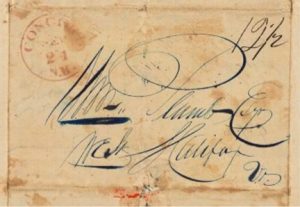 The settlement of Knox County, Illinois, began in the second half of the 1820s. The earliest settler families came in 1828, largely from Kentucky. In May of 1830, a public meeting was held to discuss the possibility of county organization. A group of prominent citizens came together to address a petition, which was presented to Judge Richard M. Young of the fifth Judicial Circuit. The petition group proved to the Judge that Knox had 350 inhabitants, the number of residents required by law to form a county. On June 10, 1830, Judge Young declared the county organized.
 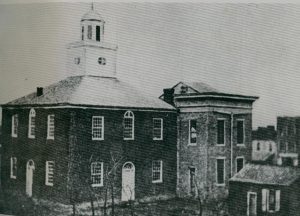 During the Civil War on March 28, 1864
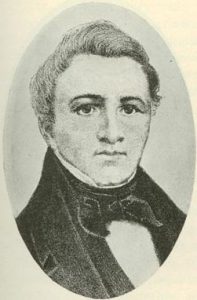 Joseph Duncan was a pioneer and Illinois politician who served in many roles throughout his career, including as the sixth Governor of Illinois from 1834 to 1838. Duncan was born in Paris, Kentucky, on February 22, 1794, and went on to serve in the War of 1812. He was later awarded the testimonial sword by a resolution of Congress for his role in the defense of Fort Stephenson near Sandusky, Ohio, in a battle in 1813.